
A circle of belonging
Having just celebrated the 40th anniversary of my ordination as a Covenant minister, I have been reflecting on the five congregations I had the privilege of serving in California, Illinois, and Washington. Now retired, as I look back, I’ve come to see that the secret sauce for church vitality in each parish was small groups. There were men’s groups, women’s groups, discipleship groups, and adult Sunday school. But the home groups were without question the most important. Home fellowship groups (as we called them) embodied the life of faith, grace, community, and service to which we were committed as a congregation. Throughout our community there were several home groups each led by a lay person or me. The age spread was from 30 to 85. Carpenters and chiropractors, teachers and engineers, military officers and homemakers, believers and seekers. Typically no more than a dozen to a group, we filled the living rooms of church members. We sat with open Bibles and open minds to discuss a spiritual topic. Often it was the sermon from the previous Sunday. However, Bible study and sharing spiritual insights were only a part of what constituted our gatherings. Each evening there was time to share our lives, confess personal concerns and pray for one another. There was the communion that came with a cup of coffee and homemade goodies. What we read in Acts 2:42-47 took on a contemporary application:
“They devoted themselves to the apostles’ teaching and to fellowship, to the breaking of bread and to prayer. Everyone was filled with awe at the many wonders and signs performed by the apostles. All the believers were together and had everything in common. They sold property and possessions to give to anyone who had need. Every day they continued to meet together in the temple courts. They broke bread in their homes and ate together with glad and sincere hearts….”
I loved a wall plaque hanging in the living room of one of the home groups that made me smile. “They DRANK COFFEE, broke break in their homes, ate together with glad and sincere hearts…” I noticed that folks who missed Sunday worship were not as likely to miss their home group. That community of koinonia was life-giving and faith-sustaining. These groups cultivated a relational bonding quite akin to family connection. A few years ago during the Coronavirus pandemic, when churches closed in deference to CDC guidelines, church life did not cease. Although masked, we were not alone. Thanks to group life in local congregations, sheltering in place did not deprive us from sheltering in grace. The pandemic provided the backdrop for Covenanters to experience afresh the context of community that our Pietist forebears had promoted in their conventicles. It was this home group movement among Swedish Pietists in the 18th and 19th century that paved the way for the birth of the Covenant Church in America and several other denominations. For decades in Sweden a growing spiritual awakening among Swedes gathering in informal settings between Sundays.
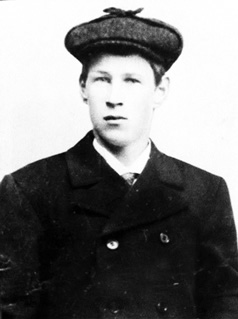
Gunder Birkeland, age 20
Such unorthodox behavior did not go unnoticed by the religious authorities. Lay persons were not considered qualified to interpret scripture or conduct worship gatherings on their own or in their homes. The supervision of the parish priest was deemed essential. In an attempt to squash the growing popularity of home groups, a law was passed. The Conventicle Edict of 1726 prohibited any religious meetings not authorized by the state church. Yet this particular act did not stop the actions of those who answered to their own conscience. Home gatherings continued under the radar. As we read in Karl Olsson’s classic history of the Covenant Church, “By One Spirit,” these home groups encouraged mutual discipleship. A couple of questions frequently asked each other helped guide their personal growth and accountability. One called for evidence of growth: “How goes your walk (with Jesus)?” Another invited personal introspection on evidence of the new birth: “Are you alive yet in Jesus?” There was another question that was foundational to small groups reading the Bible together for mutual edification. Desiring to anchor their spiritual insights in the scripture they would ask, “Where is it written?” In other words, where does the Word of God speak with specificity on that issue?
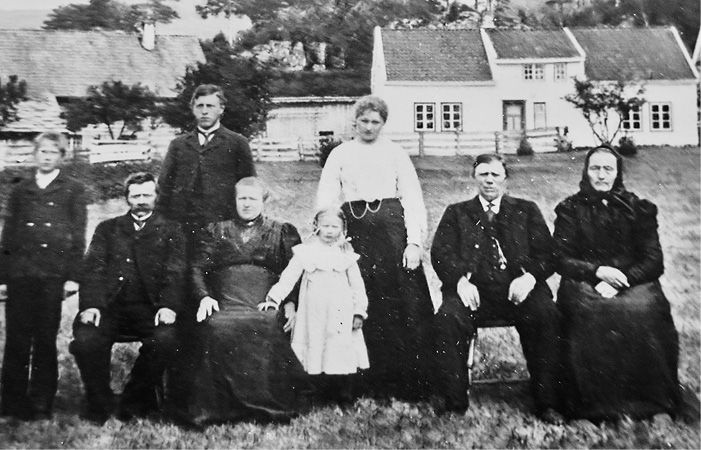
The Birkeland family
A similar movement was taking place concurrently in Norway. A lay preacher by the name of Hans Nielson Hauge (1771-1824) was concerned by the apathetic status of the Lutheran state church in his country. He prayed for revival and encouraged others to do the same. Groups began meeting for prayer and spiritual encouragement in homes. As a result of this business entrepreneur and social reformer’s prophetic voice and published books, the Haugean movement was born. Twenty-five years ago I traveled to Norway to visit the village where my maternal grandfather was born, Sauda. There I discovered that my Papa Birkeland was raised in a Haugean family. His parents, my great-grandparents, were enthusiastic members of the house church movement in Southern Norway. As Haugean Pietists, Steffan and Eli Birkeland raised their seven children (including my grandfather) in this counter-cultural community. Steffen and Eil Birkeland remained part of the state church and were eventually buried in the Lutheran cemetery, but they were active in a group that became known as Betel. Their grandson Aksel (my cousin) became a leader in the Betel community. It was a thrill to see the building this home church movement worshiped in, as well as to think about how this expression of Pietism became more organized and differentiated itself from its earlier informal roots. When Gunder Birkeland, my grandfather, immigrated to America in 1905 as a 20-year-old, he came with knowledge of what sustains personal life in Christ. He knew that meeting together between Sundays was key to growing in one’s faith. Initially settling in Poulsbo, Washington, he sought community with other Norwegian immigrants. Yet, this was not sufficient to satisfy the family atmosphere for which he longed. Once married, with his Norwegian wife, Gunder with several other laypersons founded a church largely consisting of Scandinavian newcomers to America. That church continues to thrive today in Poulsbo, a community known in the Pacific Northwest as “Little Norway.” Looking back on four decades of ministry, I can see how my appreciation for home groups is more than simply my firsthand experience as a pastor. My religious heritage runs deep, and for that I give thanks.
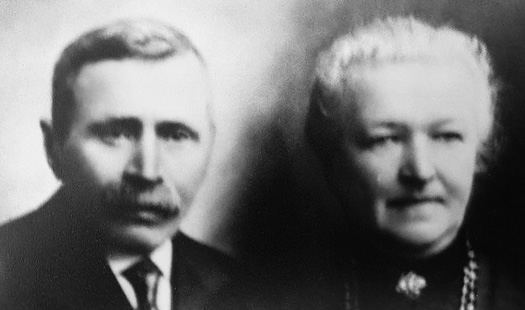
Steffen and Eli Birkeland
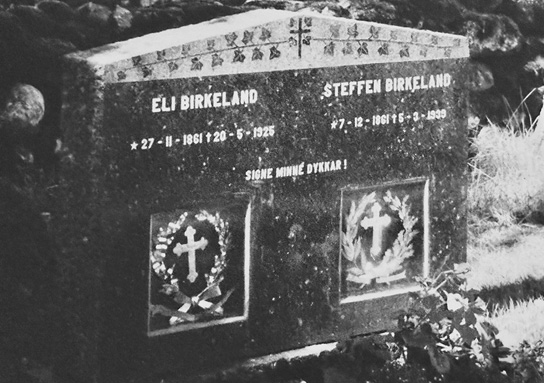
Eli and Steffen’s gravestone